Coccidia In Kittens Contagious To Humans

Deworming Puppies What To Expect

Watch Out For Rabbit Pee Worms Germs Blog

Everything You Need To Know About Coccidia In Cats Petcarerx

The most common species of coccidia found in cats do not infect humans.
Coccidia in kittens contagious to humans. Humans may first encounter coccidia when they acquire a dog cat or avian that is infected. Some of the less common species however are potentially infectious. The kitten s ears are usually itchy as well and there may be sores and inflammation around the head and neck if the kitten has been scratching. Both human and feline youngsters have immature immune systems and kittens can spread some diseases to kids.
Gondii the infectious organisms are canine and feline specific and are not contagious to humans unlike the zoonotic diseases. The common symptoms of coccidiosis in humans include. The stool is usually non bloody and may contain mucous. Is it contagious to humans the isospora species the most common in cats are not known to infect humans.
One well known exception is toxoplasmosis caused by toxoplasma gondii. That is most coccidia species that live in cats can t live in dogs or humans and vice versa. These parasites are contagious to other cats and less frequently to dogs. However the less common cryptosporidium can affect people with weakened immune systems and toxoplasma infections are particularly dangerous during pregnancy.
To sidestep this limit access to your flock and be smart about visiting others. Coccidiosis is very common in kittens. These may spread through contaminated water or meats. Humans can transmit coccidiosis too through shoes and equipment.
Kittens and kids can go perfectly together as long as children know how to properly treat the animals and if you keep both parties safe from infection from the other. The short answer is yes but it s unlikely. In the commercial poultry industry it s standard practice to wear booties and hair nets wash your car before and after your visit and wait at least 24 hours before visiting a new flock of birds. Abdominal pain and cramps.
Diarrhea with extensive loss of fluid. Coccidia are microscopic parasites that live in the gastrointestinal tract of both cats and dogs. Cats and dogs each have their own form of coccidia cats. One of these organisms cryptosporidium may be transmitted by cats to people especially those with compromised immune systems.
Dogs humans and other animals do have their own forms of coccidia but most coccidians are very host specific. Coccidiosis is one of them.

Trichuris Ovis An Overview Sciencedirect Topics

Lipoma In Dogs Fatty Tissue Tumors And What They Mean For Your

Pin On Vet Tech

Complete Guide To Preventing And Recognizing Dog Skin Yeast

Coccidia In Dogs How They Get It And What You Can Do To Help
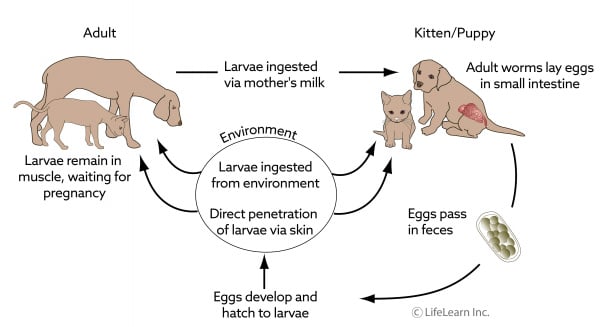
Hookworm Infection In Dogs Vca Animal Hospital

The Dangers Of Raccoon Urine And Feces For Your Dog
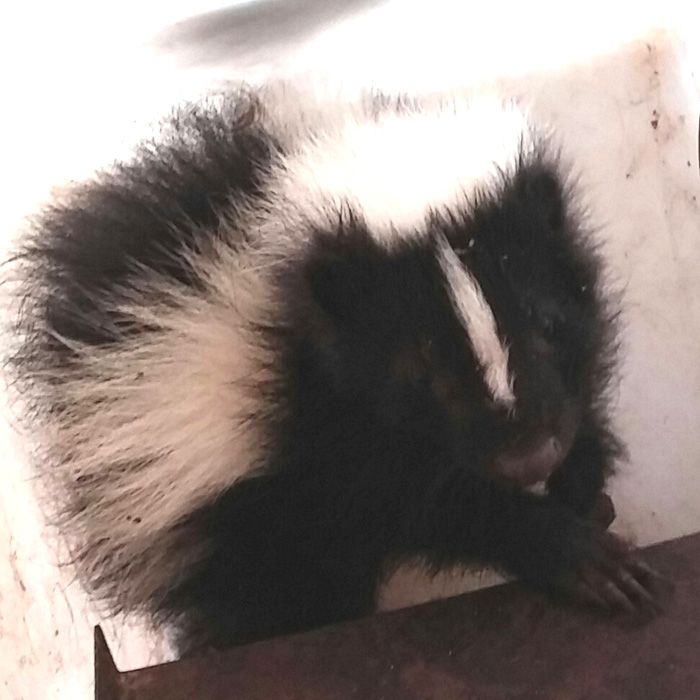
Skunk Diseases Transmitted To Humans Or Dogs
