Coccidia In Kittens Contagious

5 Causes Of Colitis In Cats Petcarerx

Kitten Nursery Best Friends Animal Society

Best Dog Food For Seniors Doghealthremedies

Coccidia belong to a group of single celled parasites called protozoan.
Coccidia in kittens contagious. Coccidiosis is a parasitic type of infection caused by the coccidia parasite. Dogs humans and other animals do have their own forms of coccidia but most coccidians are very host specific. The most common symptom is diarrhea. The condition causes diarrhea stomach ache and general feelings of discomfort.
Any infected kitten is contagious to other kittens. The kitten s ears are usually itchy as well and there may be sores and inflammation around the head and neck if the kitten has been scratching. In adult cats there may be no signs of infection while in kittens the symptoms can be more serious. Infected kittens may also experience vomiting or a decreased appetite.
If it is not treated over time it can cause damage to the lining of a cat s intestinal tract. Consequently kittens that become sick from a coccidial infection are at least two weeks old. In severe situations the diarrhea can be accompanied by blood in the stool. It takes about thirteen days for illness to develop after the kitten first ingests coccidia.
Watery stool with blood or mucus 1 2 3 vomiting 1 3 redness swelling of the eye unevenly shaped or small pupil excessive tears uveitis 3. Diagnosis treatment the good news is that coccidiosis is a very. Coccidiosis is very common in kittens. Although most cases are the result of infection from the mother this is not always the case.
It is thought that 5 of all cats acquire coccidiosis at some point in their lives. Coccidiosis is a parasitic infection that occurs in cats. If your cat is infected with coccidia the symptoms can vary. These parasites are contagious to other cats and less frequently to dogs.
Isospora infections usually cause no problems in adult cats but can cause significant disease in kittens where the coccidia may destroy the lining of the intestine and cause mucousy diarrhea. The short answer is yes but it s unlikely. A sick cat may show the following visible signs. Watery diarrhea may contain blood vomiting anorexia weight loss dehydration abdominal pain uveitis inflammation of the uvea.
That is most coccidia species that live in cats can t live in dogs or humans and vice versa. It most commonly causes watery mucus based diarrhea in animals. Coccidia are microscopic parasites that live in the gastrointestinal tract of both cats and dogs. Signs to watch for are as follows.
With appropriate and prompt treatment the prognosis is good.

How Is Coccidia Spread Among Cats Pets
Https Encrypted Tbn0 Gstatic Com Images Q Tbn 3aand9gcsnzjxway3uljr1rdi0fs11j0xpbiqncq6rook4ybr1 Nmdplfv Usqp Cau

Cat Stuff Cat Care Advice To Help You Care For Your Feline Friends Vet Medicine Vet Tech Student Vet Tech School

Weimaraner Lab Mix Your Guide To The Labmaraner Cross Breed Labrador Mix Lab Mix Puppies Weimaraner

Petbaba Recovery Collar Cone Clear Soft Padded Tiny Adjustable Comfortable Elizabethan E Collar For Surgery Remedy Groo Dog Cone Cats And Kittens Dog Shedding

Coccidia In Cats Small Door Veterinary
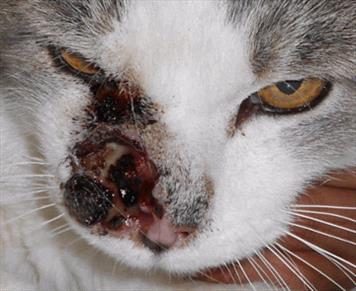
Squamous Cell Carcinoma In Cats Veterinary Partner Vin

The Handsomest Boy In 2020 Handsome Boys Cute Dogs And Puppies Dog Behavior
