Newborn Kittens Sneezing A Lot

Slurpee The Orphaned Ginger Adopted By 9 Other Orphaned Kittens

Those Eyes Are So Pretty 3 Cute Animals Pretty Cats Beautiful

Cute Cats Videos Baby Cats Cute Baby Animals Cute Funny Animals

If your kitten is sneezing you may worry that something is seriously wrong.
Newborn kittens sneezing a lot. When kittens are nursing antibodies in their mother s milk help protect them from infections. Doctors and advice nurses say they get lots of calls about babies with stuffy noses and sneezing. As long as your baby isn t having any obvious trouble breathing it s better to not intervene with saline drops or a nasal aspirator. They often result in sneezing discharge from the eyes and nose drooling congestion fever and poor appetite.
Don t forget to screen for feline leukemia. There are about 40 breeds of cats and you ve done your homework and found the one with just the right personality and energy level for you now how do you find a good breeder so you can be sure your new kitten is healthy and well adjusted. If your newborn is sneezing a lot it doesn t necessarily mean they re coming down with a cold. Sneezing is usually a sign of upper respiratory disease.
One of the main causes of sneezing is infection. There are all sorts of reasons for sneezing kittens. But after about six weeks old and eating solid food it s time for them to be vaccinated. If your cat is sneezing a lot your veterinarian may initially suspect a cause based on a review of your cat s symptoms.
These commonly affect kittens and are usually caused by a virus. Let your little one s body operate according to the way it was designed. It is when a kitten starts to sneeze all the time that there might be cause for concern. The most likely cause for sneezing and eye discharge is a viral upper respiratory infection uri.
Just like people kittens and cats sneeze for a variety of reasons. That said for newborn babies sneezing can actually be more than just sneezing. My kitten is sneezing that is one of the most common complaints of people with new kittens. An occasional sneeze isn t a symptom of a serious problem but constant sneezing especially when accompanied by nasal discharge and lethargy or lack of appetite could be a sign of an illness.
The herpes virus the calici virus or both. In some cases the vet may take a swab from the mouth throat eyes or nose and send it to a lab to confirm an infection.

Cyoot Kitteh Of Teh Day Tucked In And Toasty Cute Animals

Pin De Desiree Lucas En Miau En 2020 Gatos
Https Encrypted Tbn0 Gstatic Com Images Q Tbn 3aand9gctmsrws7wffeiu1l Tqgdylwfqvhrielu H1shptd3rw5jmeyrt Usqp Cau
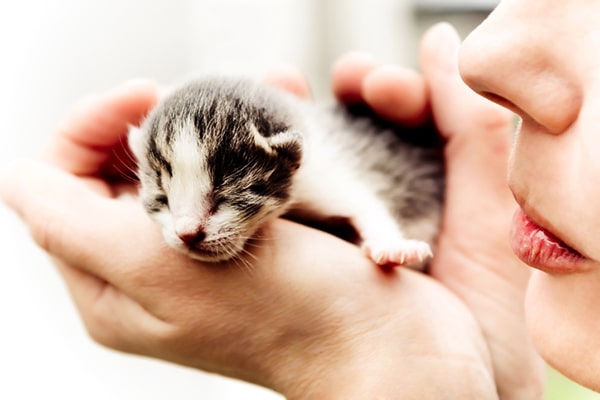
What Is Fading Kitten Syndrome And Why Do So Many Foster Kittens

Pin On Myworld

Single Post In 2020 Kitten Season Alley Cat Allies Newborn Kittens

Pin By Sally Seddon On Cute Adorable Kittens In 2020 Kittens

Newborn Kittens 58 Pictures Newborn Kittens Cute Cats Photos
